




💤 The Best Mattress for Back Pain – Expert Guide from Millie & Jones
Back pain affects millions of people every day, and one of the biggest culprits is often overlooked, your mattress. At Millie & Jones, we believe good sleep starts with good spinal health. The right mattress supports your spine’s natural curve, alleviates pressure points, and ensures that every night’s rest leaves you refreshed, not sore.
Whether you’re upgrading your own bed, looking for a supportive mattress for a growing teen, or choosing the perfect low-profile option for a bunk or trundle, this guide will walk you through how to choose the back pain best mattress across every stage of family life.
1. Understanding How Mattresses Affect Back Pain
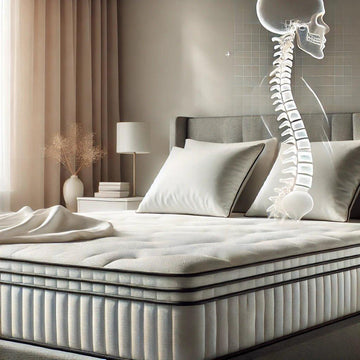
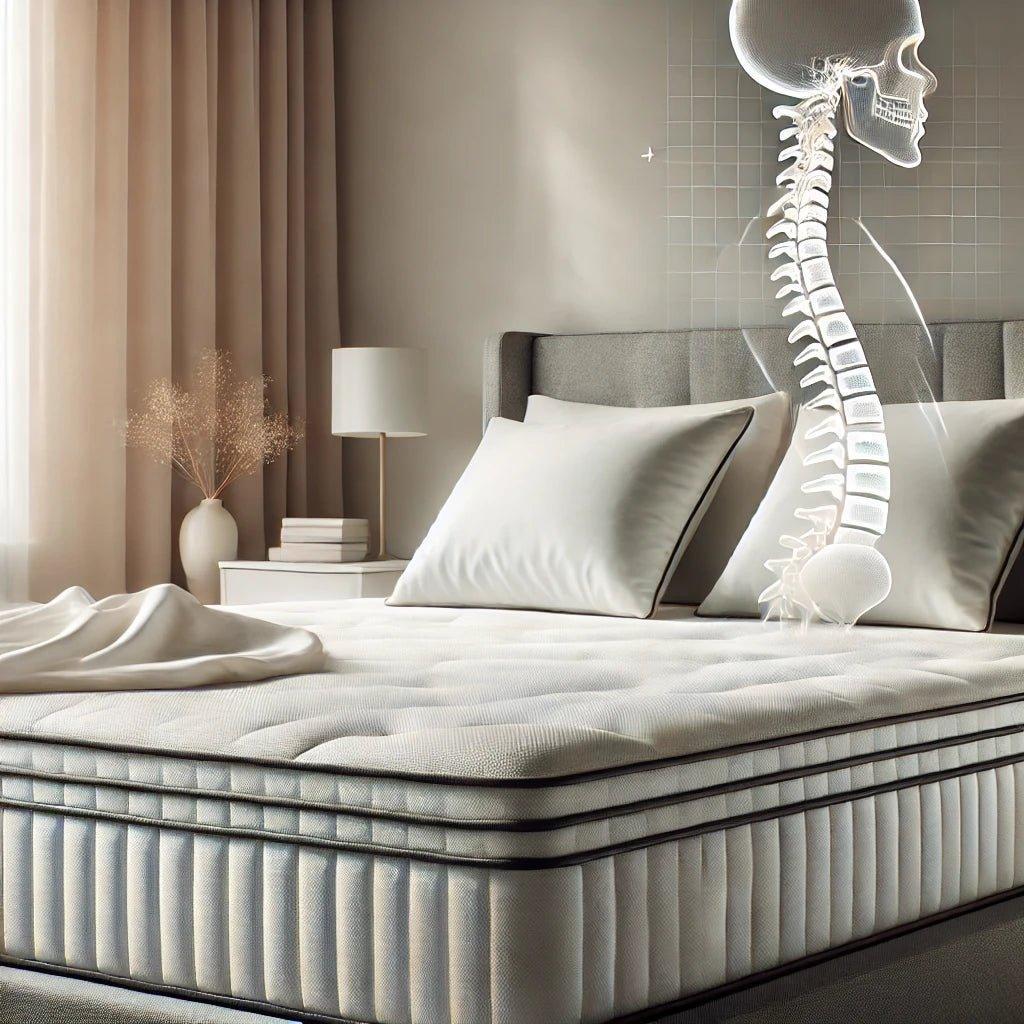
The spine naturally curves in an S-shape. When you lie down, a good mattress should maintain that curve while distributing your weight evenly. Too soft, and your hips or shoulders sink too far, throwing your alignment off. Too firm, and you’ll feel pressure on the lower back, shoulders, and hips. Both can cause stiffness, soreness, and disrupted sleep.
That’s why choosing a mattress with the right balance of comfort and support and mattress firmness is crucial.
At Millie & Jones, our range of mattresses, from the VitalRest 28 to the PocketRest 15 - are all carefully designed to promote healthy posture, proper pressure relief, and family-wide comfort.
Spinal Alignment and Sleep Positions
-
Back Sleepers: The PocketBalance 26 and MemorySupport 25 are ideal choices, offering adaptive comfort layers that contour to the lower back while keeping the hips supported for back and stomach positions.
-
Side Sleepers: The NaturalLoft 27, with its soft but supportive top layer, cushions shoulders and hips, reducing morning stiffness and providing good pressure relief.
-
Stomach Sleepers: The OrthoSupport 24 offers firmer orthopaedic support to prevent the midsection from dipping and the spine from arching, ensuring proper support.
When to Replace Your Mattress
Even the best mattresses lose their shape over time. If yours is more than 7–10 years old, sags in the centre, or leaves you waking with stiffness, it’s time to replace it. All Millie & Jones mattresses are designed with long-lasting support and durability, but regular rotation and a quality mattress protector can extend their lifespan even further.
2. Key Features to Look For in a Mattress for Back Pain
1. Support and Support Layer
Support is the foundation of a back-friendly mattress. Every Millie & Jones mattress, from our Guardian Orthopaedic 15cm for bunk and guest beds to our VitalRest 28 luxury model, is engineered to keep your spine aligned throughout the night by providing enough support across the entire mattress.
-
Our Pocket spring systems provide zoned support, responding independently to your body’s movements.
-
High-density foam cores offer stable support, ensuring even weight distribution and lasting structure.
-
A supportive coil system combined with pocket sprung mattresses delivers ample support and proper alignment for your entire spine, helping to prevent common issues caused by the wrong mattress.
2. Mattress Firmness and Types
The right firmness level depends on your body weight, sleeping style, and comfort preferences:
-
Medium-Firm Mattress: Often the best choice for most people with back pain and ensures just enough cushioning to relieve painful pressure points while maintaining proper spinal alignment. Try the MemorySupport 25 or PocketBalance 26 - both medium-firm options that offer adaptive pressure relief.
-
Firm Mattress: For those needing extra support, like stomach sleepers or those with lower back pain, the OrthoSupport 24 provides a firm, orthopaedic feel that keeps the spine properly aligned. This is an example of orthopaedic mattresses good for targeted pain management.
-
Soft Mattress: The NaturalLoft 27 offers a touch of plush comfort without compromising on support, ideal for side sleepers or lighter individuals who need great pressure relief and breathable foam that won’t trap heat or body heat.
3. Mattress Types: Memory Foam, Hybrid Mattresses, and More
Understanding mattress construction helps you choose the right option:
-
Memory Foam Mattress: Known for contouring and pressure relief, memory foam mattresses like the MemorySupport 25 provide excellent motion isolation and adapt to your body shape.
-
Hybrid Mattresses: Combining foam layers with a coil layer, hybrid mattresses such as the PocketBalance 26 offer a balance of bounce, support, and pressure relief, making them some of the best hybrid mattress options for back pain.
-
Pocket Sprung Mattress: These mattresses feature individually wrapped coils that provide zoned support and reduce motion transfer, ideal for couples.
4. Pressure Relief and Breathability
For back pain sufferers, pressure points around the hips and shoulders are key areas of concern. Our MemorySupport 25 mattress uses a memory foam comfort layer infused with copper to cradle joints while maintaining spinal alignment, making it a popular choice for couples and combination sleepers.
Sleep temperature plays a big role in comfort and recovery. The NaturalLoft 27 uses naturally breathable fibres to regulate temperature, while the VitalRest 28 incorporates airflow technology and latex layers to prevent heat build-up - ideal for warmer sleepers or those in well-insulated homes. Our mattresses are designed to avoid common issues such as trapping body heat that can disrupt a restful night's sleep.
3. The Best Millie & Jones Mattresses for Back Pain
🛏️ 1. VitalRest 28 - Ultimate Support for Chronic Back Pain
Our thickest and most luxurious mattress, the VitalRest 28 offers deep cushioning combined with strong spinal support. With multiple comfort layers, including a plush pillow top, and a premium supportive coil system, it ensures consistent alignment and comfort night after night.
Best for: Adults with persistent back pain or those seeking a luxury medium-firm feel.
Depth: 28cm
Why it’s great: Exceptional back support, premium comfort layers, excellent edge support, and long-term durability. Comes with free sleep accessories for a complete sleep solution.
🌿 2. NaturalLoft 27 - Pressure Relief with a Softer Feel
Perfect for side sleepers or anyone who prefers a more cushioned surface, the NaturalLoft 27 combines breathable natural fillings with a responsive spring core. It keeps the spine neutral while relieving tension across the shoulders and hips.
Best for: Side sleepers and hot sleepers who need gentle contouring.
Depth: 27cm
Why it’s great: Naturally breathable, luxurious comfort, great motion isolation, and eco-conscious materials. Offers an affordable price point without sacrificing quality.
💪 3. OrthoSupport 24 - Firm Orthopaedic Mattress for Targeted Relief
Designed for those who need extra support, the OrthoSupport 24 promotes a healthy posture and helps relieve pressure on the lower back. Its firmer tension makes it ideal for those who prefer a sturdier feel or sleep primarily on their front or back.
Best for: Stomach sleepers or anyone needing enhanced lumbar support.
Depth: 24cm
Why it’s great: Firm orthopaedic design, outstanding spinal support, targeted support, and long-lasting structure.
💤 4. PocketBalance 26 - Adaptive Comfort and Responsive Support
The PocketBalance 26 is a superb all-rounder for those with back pain. It balances softness and stability with individually responsive pocket springs and a breathable top layer that adapts to your body shape.
Best for: Couples and mixed-position sleepers.
Depth: 26cm
Why it’s great: Balanced support for all sleeping positions, solid bed base, and reduced motion transfer.
☁️ 5. MemorySupport 25 - Medium-Firm Memory Foam Comfort
Our MemorySupport 25 is a customer favourite for people with lower back or upper spine tension. Its copper infused memory foam layer contours closely to your body, relieving pressure points and ensuring natural spinal alignment throughout the night.
Best for: Back and side sleepers needing medium-firm pressure relief.
Depth: 25cm
Why it’s great: Excellent contouring, great pressure relief, motion isolation, and spine alignment.
👧 6. MemoryTeen 18 - Designed for Teen Comfort and Growth
Growing teens need the same support and pressure relief as adults, but in a slimmer design to suit midsleeper and highsleeper beds. The MemoryTeen 18 offers responsive foam layers for spinal alignment and comfort, ideal for developing posture and growing bodies.
Best for: Teenagers and lighter adults.
Depth: 18cm
Why it’s great: Medium-firm feel, excellent for spinal health, designed for teenage growth.
👶 7. PocketRest 15 - The Best Low-Profile Mattress for Kids
Specially crafted for bunk beds and trundles, the PocketRest 15 provides exceptional comfort in a compact 15cm depth. With pocket springs for full-body support and a breathable top layer, it’s ideal for children’s beds or guest spaces where comfort shouldn’t be compromised.
Best for: Kids, guest beds, and bunk setups.
Depth: 15cm
Why it’s great: Supportive, safe, and designed for smaller bed frames.
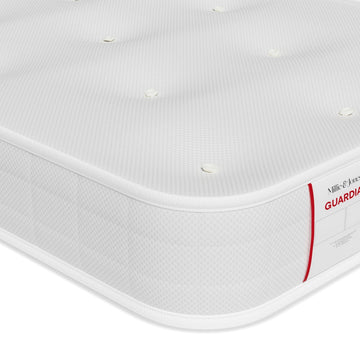
🛡️ 8. Guardian Orthopaedic 15 - Firm and Supportive for Guests or Children
For those seeking a firmer, more supportive low-profile option, the Guardian Orthopaedic 15 delivers. It’s perfect for trundles, bunk beds, or spare rooms where a firmer sleeping surface helps maintain alignment for all ages.
Best for: Guests, older children, and anyone needing a firmer 15cm mattress.
Depth: 15cm
Why it’s great: Orthopaedic-level firmness in a compact, versatile size.
4. Choosing the Right Mattress for Your Type of Back Pain
Lower Back Pain (Lumbar)
Choose a medium-firm to firm mattress like the PocketBalance 26 or OrthoSupport 24. Both support the lumbar region, keeping hips and shoulders level to prevent spinal misalignment.
Upper Back & Shoulder Pain
Opt for a slightly softer top layer for better contouring — the NaturalLoft 27 and MemorySupport 25 provide excellent pressure relief for upper back and neck tension.
Sciatica
The VitalRest 28 offers full-body support with excellent motion isolation — ideal for relieving sciatic pressure points and maintaining neutral spinal posture.
Posture & Everyday Stiffness
For general posture correction and all-round use, the PocketBalance 26 is a versatile choice for couples and combination sleepers.
5. Choosing Firmness: What Works Best for You
|
Firmness Level |
Best Millie & Jones Options – Contact us for more information |
Ideal For |
|---|---|---|
|
Soft-Medium |
NaturalLoft 27 |
Side sleepers, lighter adults |
|
Medium-Firm |
MemorySupport 25, PocketBalance 26 |
Most adults, mixed sleepers |
|
Firm |
OrthoSupport 24, Guardian Orthopaedic 15 |
Stomach sleepers, lower back pain |
|
Extra Firm |
OrthoSupport 24 (for chronic support) |
Severe lumbar pain or heavier sleepers |
6. Supporting a Healthy Sleep Setup
Pairing the right mattress with smart accessories enhances back support further:
-
Mattress toppers: Add cushioning or firmness adjustment - perfect for extending mattress life and improving quality sleep.
-
Adjustable bases: Raise the head or feet to reduce lower back strain or improve circulation, providing optimal support.
-
Supportive pillows: Keep your neck and spine aligned - back sleepers should opt for medium loft, side sleepers for thicker pillows.
7. Mattresses for the Whole Family
At Millie & Jones, we believe comfort and support shouldn’t stop with adults. That’s why our collection spans all ages and bed types:
-
Kids & Guest Beds: PocketRest 15 and Guardian Orthopaedic 15
-
Teen Sleepers: MemoryTeen 18
-
Adult Mattresses: VitalRest 28, NaturalLoft 27, PocketBalance 26, MemorySupport 25, OrthoSupport 24
Each mattress is designed to suit specific sleep needs while maintaining the same focus on spinal health and comfort.
8. Key Takeaways
-
Poor mattress support is one of the leading causes of back pain and poor posture.
-
Medium-firm options like the PocketBalance 26 and MemorySupport 25 are the most versatile for back pain relief.
-
Replace your mattress every 7–10 years for optimal spinal health.
-
Low-profile models like the PocketRest 15 and Guardian Orthopaedic 15 offer safe comfort for kids and guests.
-
The right firmness depends on weight, sleep position, and comfort preference.
9. Final Thoughts
Choosing the best mattress for back pain is an investment in your health, sleep, and happiness. Every Millie & Jones mattress is crafted with the same goal - to deliver deep comfort, proper spinal alignment, and long-lasting support for every member of the family.
From the VitalRest 28 for adults to the PocketRest 15 for little ones, our collection ensures that wherever you sleep, your back is properly supported.
✨ Explore our full range of supportive mattresses here
Because at Millie & Jones, family sleep starts with better support.